The Buyer Guide · Part 1 of 6
Affordable Prefab Homes from China: More House, More Choices, Less Money?
Beautiful designs. Incredible variety. Surprisingly affordable prices. And a whole new world of possibilities for American buyers.
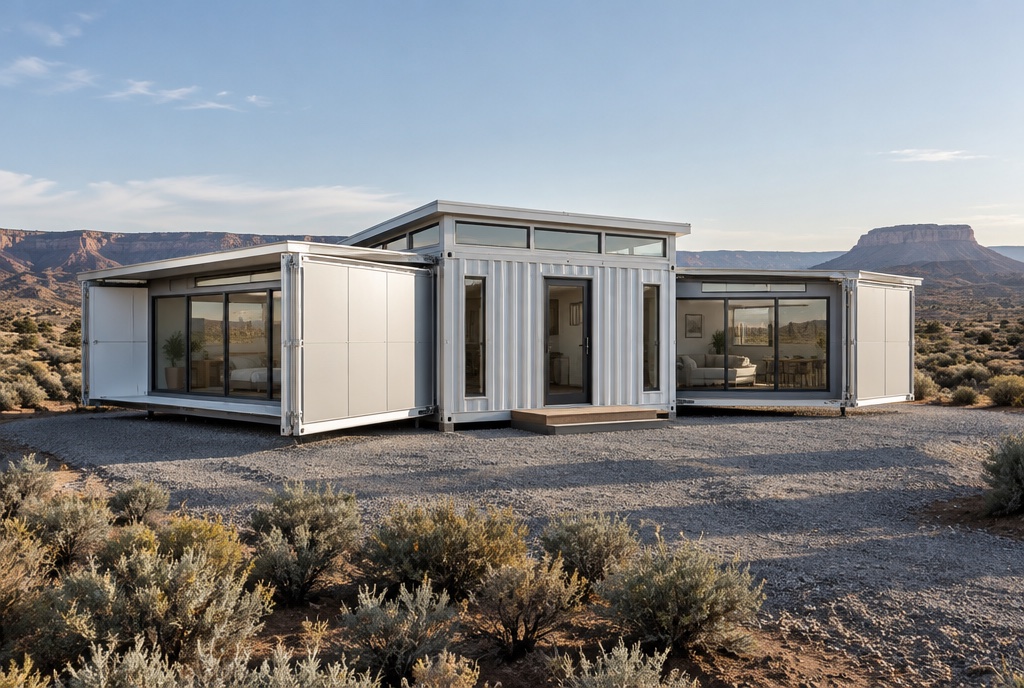
If you've spent time looking at prefab homes online, you've seen modern mountain cabins, expandable homes, sleek glass-walled retreats, and backyard guest houses. Then you discover factory prices that can look dramatically lower than domestic alternatives. That caught our attention at Field House — but the real question is what it costs to get a compliant, usable home on your property.
More House. More Choices. Less Money. That's the Goal.
Overseas manufacturers offer expandable houses, modern glass-fronted cabins, backyard studios, larger modular homes, and customizable finishes. Our goal is to help Americans access beautiful, well-built prefab homes with more variety and potentially better value than comparable domestic options. We're not interested in cheap for the sake of cheap. We want quality construction, good materials, and prices that make sense.
What Does the Factory Price Include?
A $10,000 advertisement is a starting point. Does it include insulation, kitchen, bathroom, plumbing, wiring, windows, and heating? Which upgrades cost extra? The key is a clear, itemized specification for the exact model shown.
Getting Your Home Across the Ocean
Your house needs transportation from factory to port, ocean freight, insurance, U.S. port handling, customs clearance, duties, and trucking to your property. Some expandable designs fold for more efficient shipping. We want to understand whether the savings still make sense once the home reaches America. A competitive factory price is exciting; a competitive delivered and installed price is even better.
What About Tariffs?
Import duties depend on the product, classification, origin, and current trade rules. A finished unit, shell, and kit may have different treatment. A licensed customs broker should confirm the applicable classification and costs. The goal is not to skirt rules, but to find a legal and cost-effective approach.
Who Helps Install It?
Depending on the project, buyers may need architects, engineers, freight forwarders, customs brokers, trucking companies, crane operators, contractors, and inspectors. We're exploring relationships with American professionals to make these steps easier to understand.
Can You Put It on Your Property?
Zoning, building codes, foundations, energy standards, and local approvals vary. We want manufacturers willing to provide the documentation needed to evaluate a home for its intended location. Approval must be checked before purchase.
Can We Beat Domestic Prices?
That's what we're setting out to investigate. We want to compare real products, specifications, shipping quotes, installation expenses, and quality — not make up savings percentages. Our ambition is more choice, strong quality, and better value.
Why Field House?
We started with the dream of a mountain getaway and found a world of exciting products. Then came the questions: Who makes them? What does shipping cost? Can they be approved? Who can you trust? Field House exists to bridge the information and trust gap between overseas manufacturers and American buyers.
We are planning factory visits in China to see products and manufacturing operations firsthand, ask difficult questions, and report what we learn. A visit is part of due diligence — not a guarantee of factory quality or U.S. approval.
Big Dreams. Smart Buying. Better Possibilities.
General information only — not legal, engineering or financial advice.